Growth in the energy sector continues to be supported by sustained investment across the UAE and wider Gulf. ADNOC is advancing large-scale upstream and gas expansion programmes, while Saudi Aramco invested more than $50 billion in capital expenditure in 2025 alone, reinforcing a multi-billion-dollar pipeline of EPC work across the region.
Sustaining that growth at scale, however, is becoming more challenging. As projects become larger, faster-paced and more complex, the demands on delivery are intensifying, driven by more integrated scopes, tighter interfaces and the addition of new environmental requirements. These requirements are increasingly embedded from the outset; timelines are less forgiving and tolerance for deviation is reduced.
Capacity remains a requirement, but it is no longer defined by size alone. Fleet and workforce still matter, but they are only part of the equation. The focus now is on how effectively assets are deployed, how engineering, fabrication and offshore installation are integrated and how execution is managed across multiple, concurrent workstreams.
NMDC Energy’s 2025 performance illustrates this. Revenues increased 29% year on year to AED 18.7 billion, with a backlog of AED 40.1 billion and a project pipeline of AED 58.6 billion. Around 30% of revenues were generated from international markets, reflecting deliberate expansion beyond the UAE alongside a strong domestic base.
This level of performance reflects an operating model built for consistent execution across a large and increasingly complex portfolio, highlighting where capability diverges across the market.
As scope and risk increase, discipline becomes critical. Weak execution is exposed quickly, with cost overruns, schedule delays and interface failures eroding margin, often before issues can be recovered. Sustained performance depends on selective project intake, structured risk allocation and the ability to maintain returns across the full lifecycle of delivery.
NMDC Energy’s approach reflects this. Backlog expansion is matched with operational discipline, supported by integrated engineering, fabrication capacity and offshore assets that provide visibility over delivery risk and performance.
Environmental performance is now inseparable from how projects are delivered and how value is created over the lifecycle of an asset. Projects are often executed within environmentally sensitive or highly regulated environments, where constraints are predefined and non-negotiable. Decarbonisation targets, emissions requirements and environmental safeguards are built directly into project specifications, particularly in offshore and marine environments where operating conditions are tightly defined.
This adds another layer of complexity. Delivery must now operate within tighter limits, where environmental requirements, engineering demands and timelines must be balanced in real time.
At the same time, it is reshaping capability, with new areas of growth emerging across carbon capture, hydrogen, offshore wind and lower-carbon infrastructure.
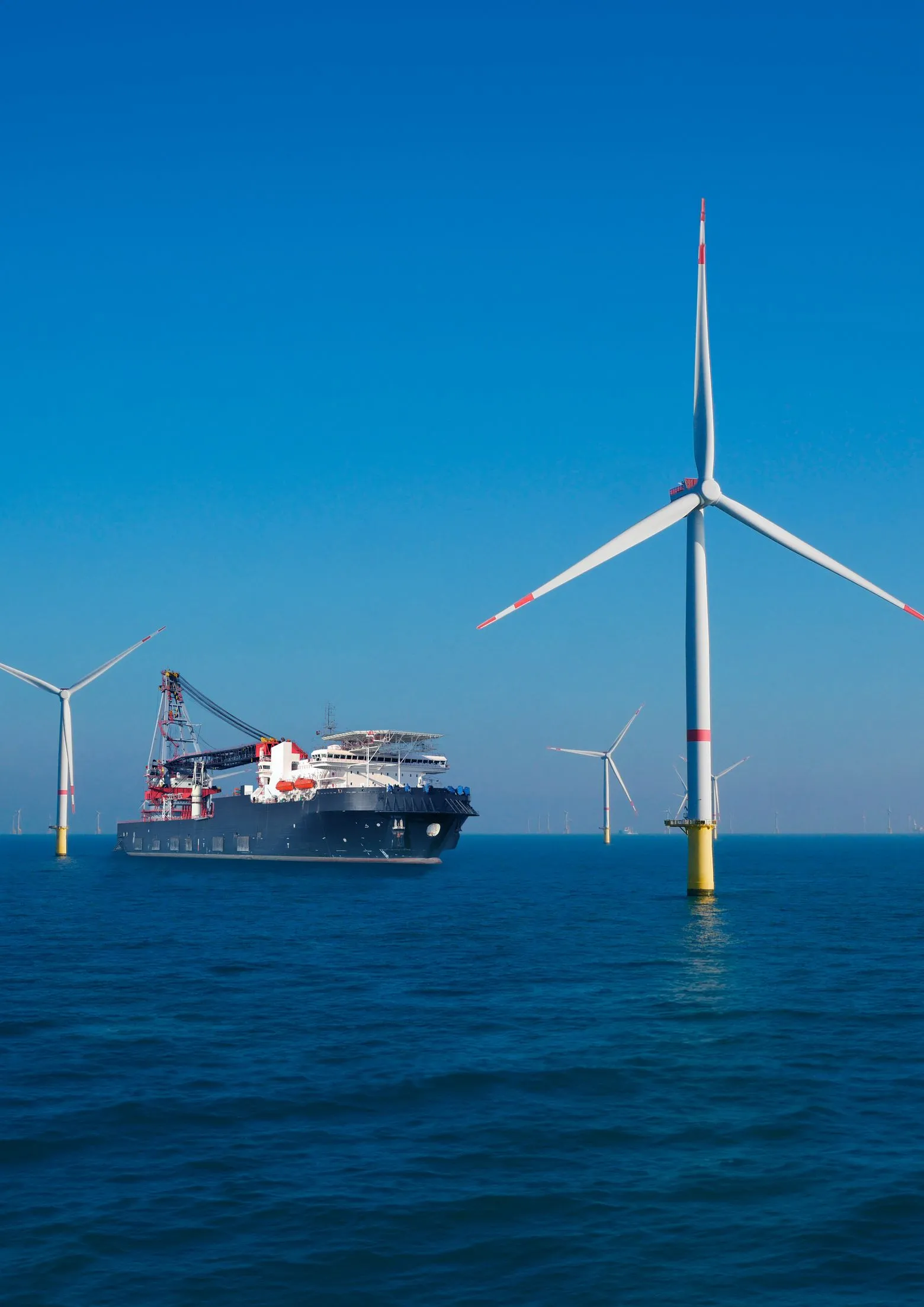
NMDC Energy’s activities reflect this shift. From offshore wind installation in Taiwan to carbon capture and hydrogen initiatives through NT Energies, the company is expanding its role across both conventional and lower-carbon energy systems.
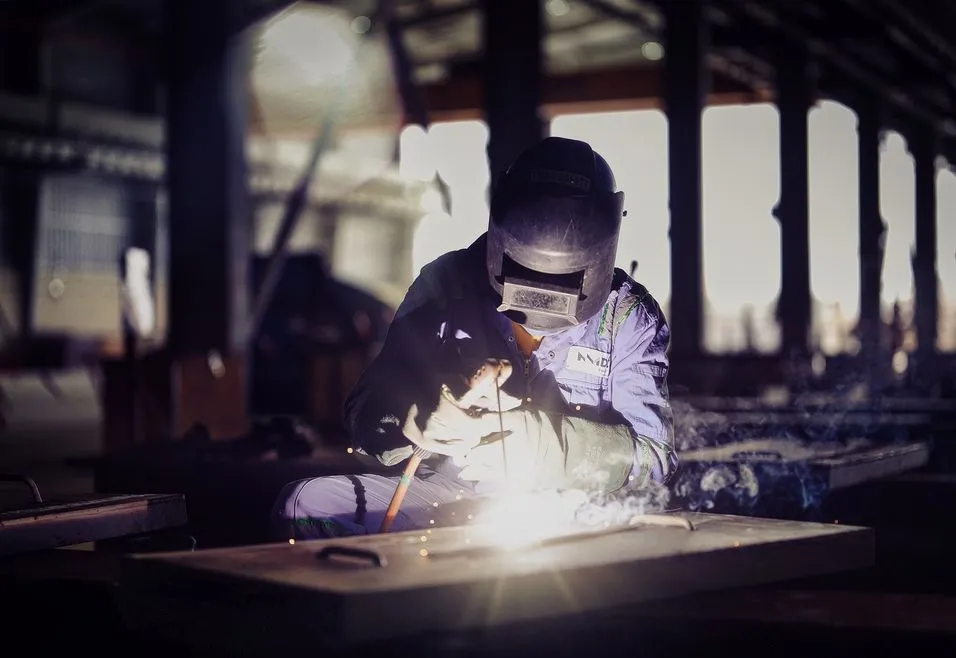
Maintaining performance at this level increasingly depends on digital and data-led project control, enabling real-time visibility across complex programmes that would otherwise be difficult to manage at scale. Systems are embedded across engineering, project management and site operations, while AI is deployed to accelerate design processes, improve coordination and support faster decision-making under schedule pressure.
In 2025, NMDC Energy reported saving more than 42,000 work hours through AI-enabled tools across its projects, marking a structural shift in how execution is managed, rather than incremental efficiency gains.
Together, these shifts redefine how growth is measured. It is now determined by how effectively work can be delivered under increasingly demanding conditions.
This is raising the standard for what sustained performance at scale looks like.
The next phase of growth will be led by those that can deliver consistently under these conditions.
Powered by