Engineering habitat back into the seabed
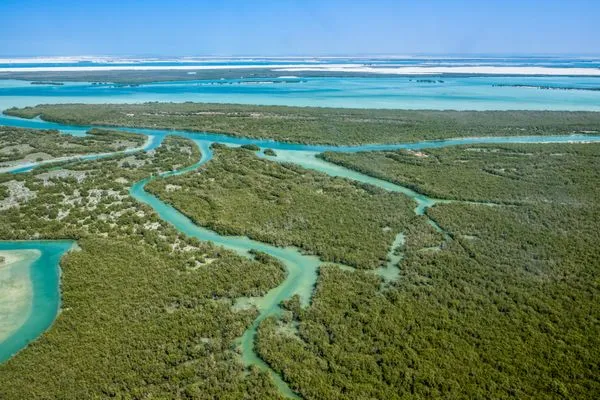
In the shallow waters of the Arabian Gulf, coral grows in centimeters. Massive corals add between 0.3 and 2 centimeters a year. Branching species, in the right conditions, may reach 10.
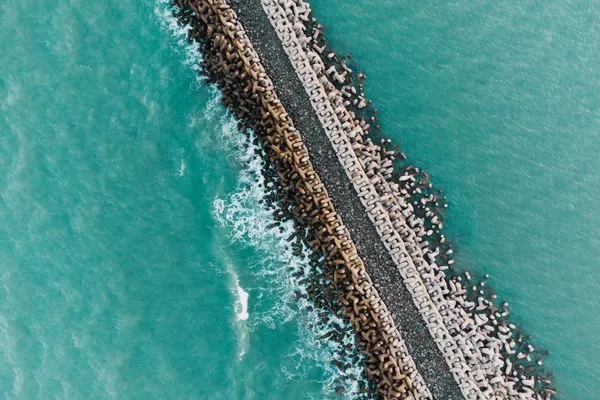
In the shallow waters of the Arabian Gulf, coral grows in centimeters. Massive corals add between 0.3 and 2 centimeters a year. Branching species, in the right conditions, may reach 10.
Sustainability is no longer a peripheral agenda for energy and infrastructure companies. It is increasingly shaping how businesses plan, operate and grow.

With global natural gas demand reaching an all-time high in 2024, this versatile fossil fuel is now roaring back into prominence, after the supply shocks of the decade’s opening years.
While the famous philosopher (and baseball player) Yogi Berra once said, “It’s tough to make predictions, especially about the future,” if your business is supplying the world’s energy at a time of enormous technological transition, thinking analytically about tomorrow can be crucial.
Growth in the energy sector continues to be supported by sustained investment across the UAE and wider Gulf. ADNOC is advancing large-scale upstream and gas expansion programmes, while Saudi Aramco invested more than $50 billion in capital expenditure in 2025 alone, reinforcing a multi-billion-dollar pipeline of EPC work across the region.

From grid resilience to methane detection, AI is rapidly emerging as the invisible hand behind the global energy shift. In the UAE and beyond, governments are betting that algorithms, not only engineers, will drive the next leap in energy efficiency and decarbonisation.
Dubai, Abu Dhabi and the Northern Emirates are rolling out funds, incentives and certification schemes at unprecedented scale. But the real challenge is synchronising policies, standards and enforcement frameworks so investment can translate into viable, bankable projects.
National registries, carbon-market pilots, climate-risk assessments and trillion-dirham financing commitments are reshaping how companies, banks and regulators evaluate climate exposure and opportunity. The result: a clearer, more investable framework for the transition economy.

With emirate-level building codes, retrofit targets, efficiency labels and EV benefits rolling out, the UAE is blending public investment with private financing. The result is a growing ecosystem that rewards lower consumption—yet still faces structural gaps, especially in upgrading older buildings at scale.
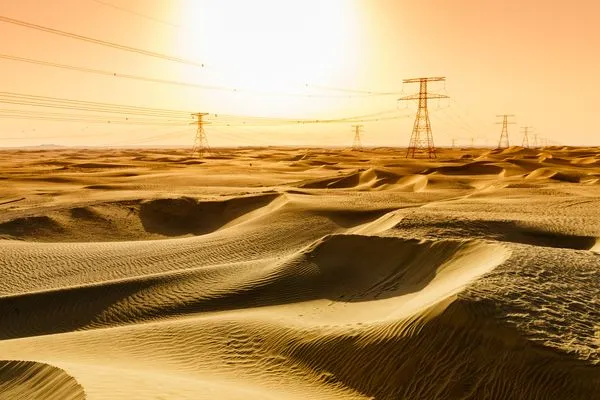
From green building codes to real-time metering and advanced cooling networks, the UAE is embedding efficiency at the earliest stages of construction. As digital technologies converge with the energy-water nexus, the country is positioning buildings—not industry—as the key battleground for cutting consumption.
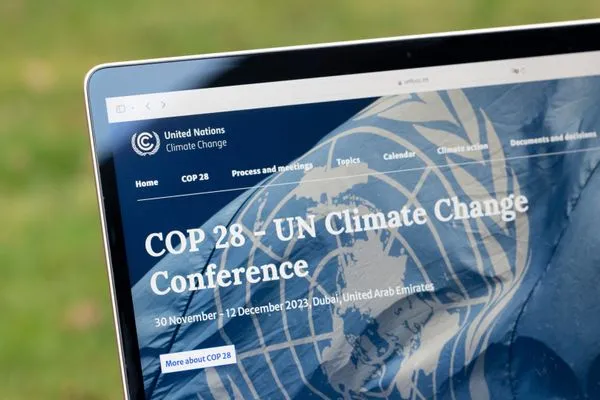
COP28’s landmark agreements on transitioning away from fossil fuels, scaling renewables and expanding climate finance continue to shape global policy. As COP29 delivered an Article 6 breakthrough and COP30 prepares the “Baku to Belem Roadmap,” the real test now is turning diplomatic ambition into investable action.
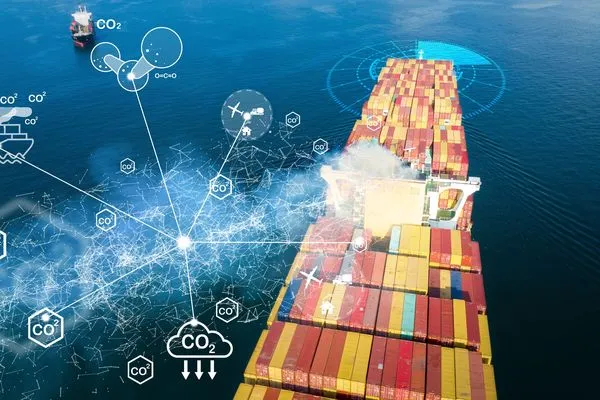
As shipping faces mounting pressure to curb emissions, the IMO, COP29 negotiators and the UAE’s new Maritime Decarbonisation Centre are accelerating a shift toward cleaner fuels, stricter efficiency standards and unified carbon-credit markets. The race is now on to align global frameworks with rapidly advancing technology.
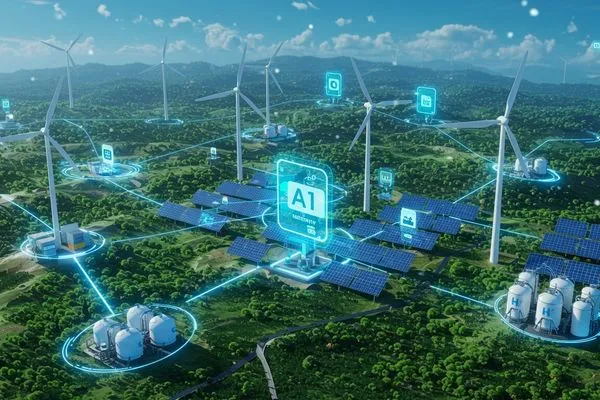
With private capital now recognised as the engine of the energy transition, the UAE is positioning itself as a regional benchmark in sustainable finance. From the 2021–2030 Framework to the DIFC and Sharjah’s green strategies, regulators are rewriting the rules of investment — balancing flexibility with long-term certainty in an era defined by climate risk and AI disruption.
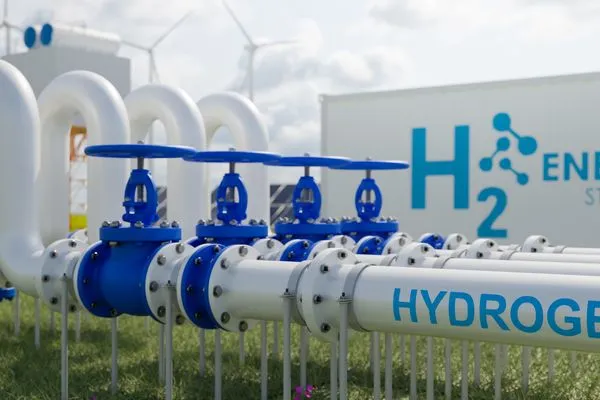
Backed by a national strategy, major capital commitments and fast-evolving regulation, the UAE is building a full hydrogen ecosystem—from production hubs and local manufacturing to international partnerships. But with global standards still in flux, the challenge is creating a framework flexible enough for a sector moving at breakneck speed.

From AI-driven solar parks to green hydrogen hubs, the UAE’s energy transition is powered as much by regulation as by research. By combining bold investment incentives, future-ready free zones and clear IP protection, the country is turning its innovation ecosystem into a global model for clean-tech growth.

From solar megaprojects to hydrogen laws, the UAE’s regulatory architecture is emerging as a cornerstone of its energy transformation. By coupling legal certainty with investor confidence, the country is quietly rewriting the playbook for how regulation can accelerate — rather than restrain — the path to net zero.
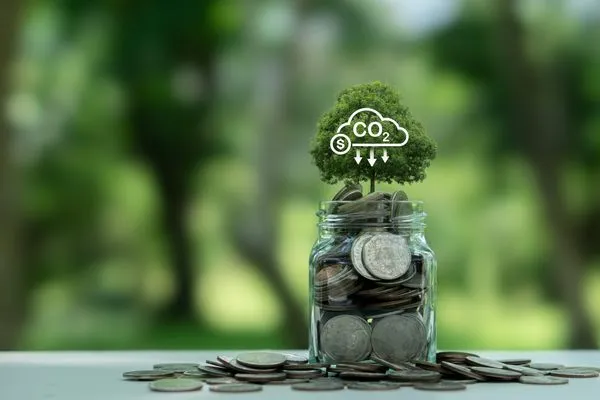
For energy producers, the potential costs of the energy transition can certainly be eye-watering.

As producers confront rising mineral dependency and volatile supply chains, the UAE is diversifying sourcing, backing new extraction technologies and scaling recycling to close the loop. The stakes are high: the minerals underpinning tomorrow’s energy system are becoming the defining strategic resource of the decade.
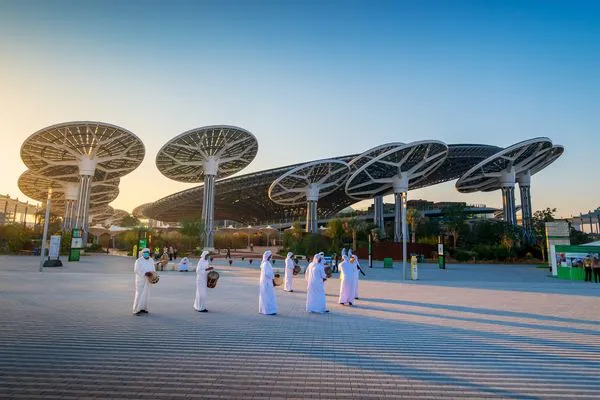
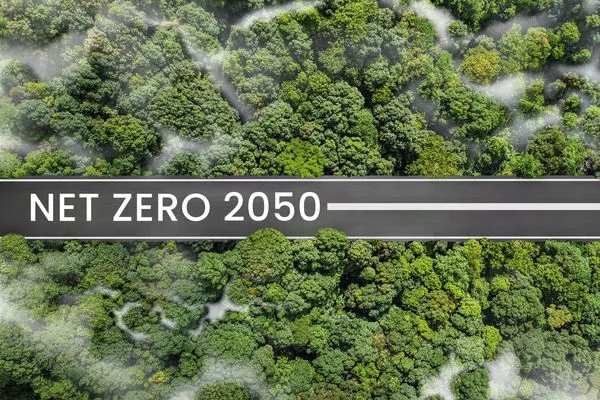
From carbon-capture megaprojects to hydrogen hubs and next-generation batteries, the UAE is rapidly deploying breakthrough technologies to accelerate its 2050 net-zero ambitions. As innovation reshapes everything from industrial emissions to transport and storage, producers face a rare moment: a convergence of policy, capital and technology capable of redefining the global energy landscape.
From carbon-credit trading to EV infrastructure, green labelling to AI-driven environmental monitoring, the UAE is building one of the most comprehensive regulatory frameworks in the region to steer consumers toward a low-carbon future. As its 2025 climate law takes effect, the country is transitioning from targets to enforceable standards—reshaping how households, businesses and entire emirates engage with energy.

While the range of energy efficient and renewable energy products available to consumers seems ever widening, for households, a key question remains: how to finance them?
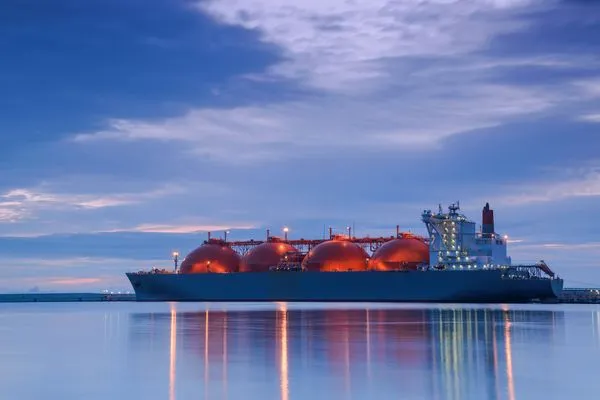
With Fujairah holding 8% of global bunkering capacity and maritime trade responsible for nearly 3% of global emissions, the UAE is moving fast to reshape the regulation, fuels and technologies underpinning global shipping. From hydrogen-ready ports to AI-optimised fleets, the Emirates is positioning itself at the forefront of maritime transformation.
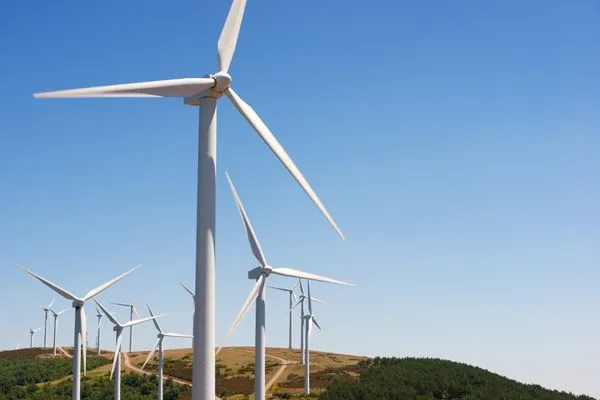
With industry, transport and households driving more than half of national demand, the UAE is rolling out ambitious efficiency programmes that tie smart technologies—AI, smart meters, demand-side optimisation—to nationwide conservation targets. As the country advances toward net zero by 2050, consumption itself is becoming a decisive battleground.
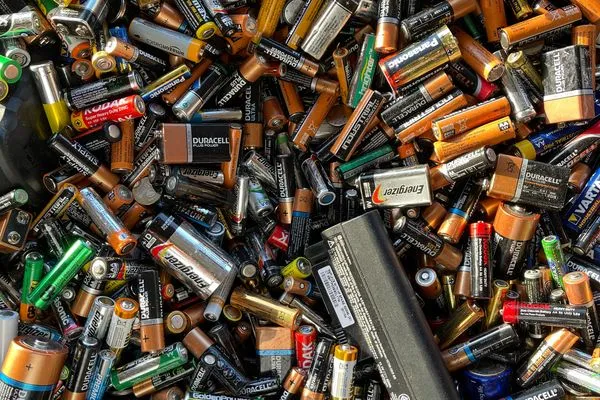
As global demand for lithium, copper, nickel and other strategic minerals accelerates, the UAE is expanding overseas investments, building trade finance platforms and scaling recycling capacity to secure the materials underpinning clean technologies. In an increasingly competitive market, minerals are becoming as pivotal as energy itself.
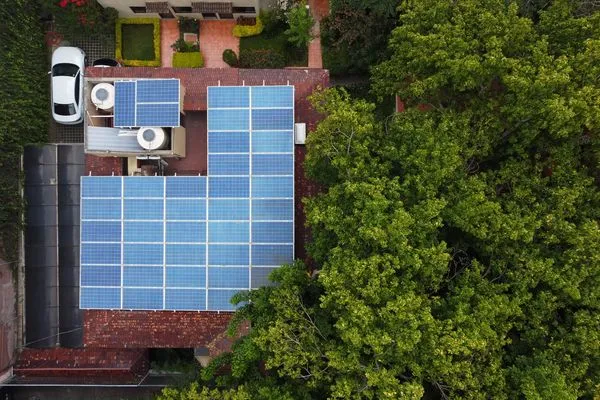
Nowadays, developments in renewable energy generation around the world are blurring the once rigid lines between consumers and producers.



Subscribe to our newsletter and we’ll send you the emails of latest posts.