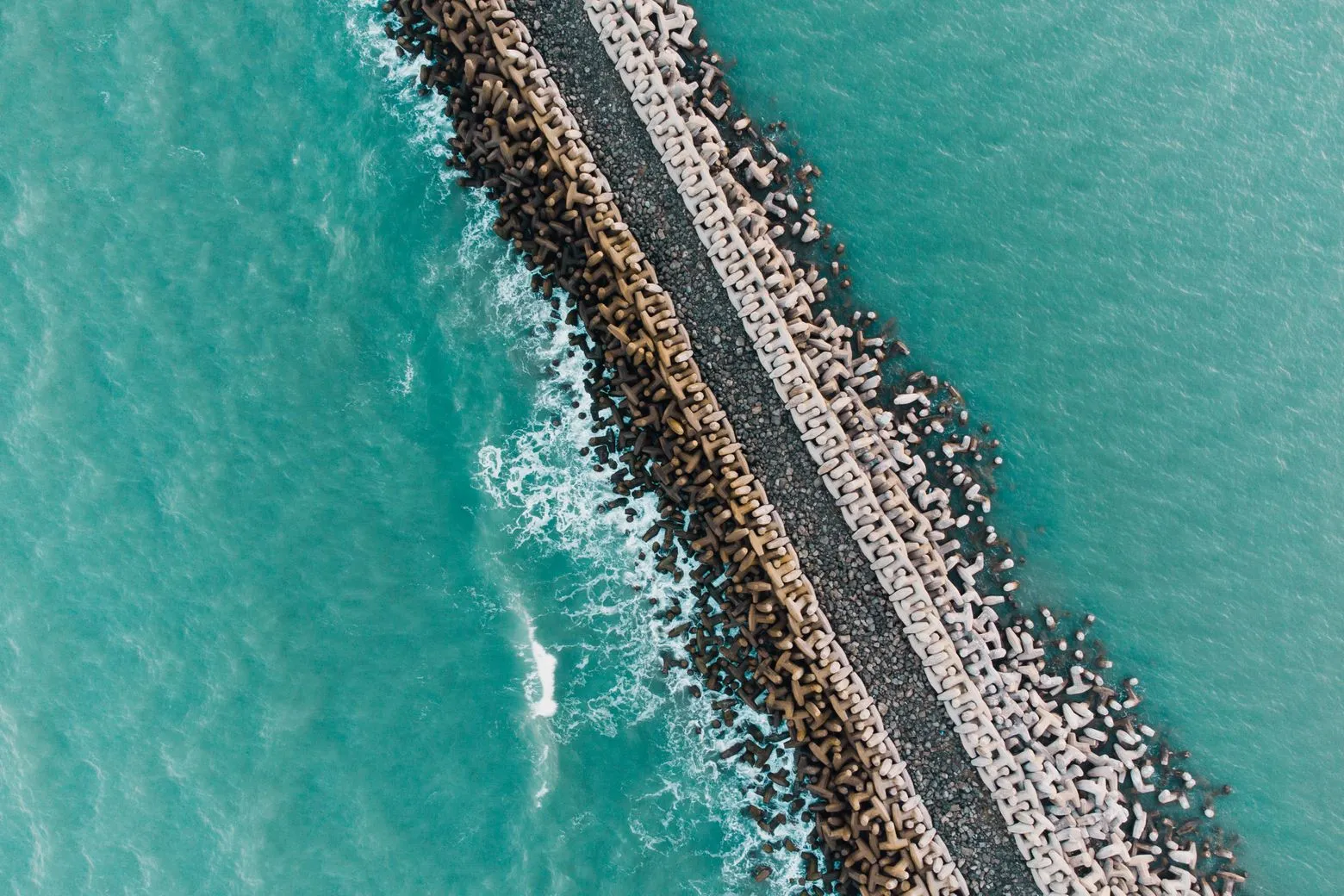
The reefs they form over thousands of years are the architecture of marine life. They constitute shelter for fish to breed and rear their young, support a food chain that supports everything from invertebrates to the apex predators of the Gulf, and form the structural base of marine biodiversity in this part of the world.
The wonder of a coral reef is that it builds an entire ecosystem from almost nothing.
The question NMDC Group has been asking is whether marine engineering can now do something close to the same thing, on a timescale measured in months rather than millennia.
The early answer is yes.
The UAE’s relationship with the sea has always run on two tracks. The country’s modern economy was shaped on its coastline, in the ports, channels, man-made islands and offshore energy infrastructure that connect it to the world. That same coastline is also a living marine environment that the country has invested in protecting and enriching, from coral and mangrove restoration to nationwide program for turtles, dugongs and migratory species.
NMDC has been at the center of that coastal story for nearly half a century. Founded in 1976, the Group has delivered some of the most ambitious marine and dredging projects in the country’s history, and a commitment to the marine environments it works in has been embedded in that delivery throughout.
The 3D-printed artificial reef initiative is the latest chapter of that commitment.
The initiative uses artificial reefs manufactured by NMDC Infra, the group’s construction and precast business unit, which manufactures artificial reefs into its marine product line alongside quay walls, Xblocs and accropodes. They are deployed by NMDC Dredging & Marine, the Group’s offshore arm, using the same fleet that carries out the country’s most demanding reclamation work.
Between them, the two business units cover the full lifecycle, from design and casting at a precast facility producing 1,000 cubic meters of concrete a day, to underwater installation in the same waters they have worked for decades.
The reefs themselves are a step beyond what an artificial reef has traditionally been able to do.
Conventional precast designs offer a single large cavity per unit. They provide shelter, which is the function artificial reefs have historically been designed around.
The 3D-printed units do considerably more.
Each structure is engineered with multiple cavities of varying shape, aperture and orientation, so that species from several different trophic levels can settle on the same reef. Juvenile fish find hiding space in the smaller enclosed cavities. Larger fish use the open ones. Invertebrates colonize the textured, semi-porous surfaces, which are also designed to encourage coral attachment over time. The concrete itself is pH-neutral, formulated so that it does not alter the chemistry of the surrounding water.
Research shows these structures can support between 30 and 50 percent higher marine biodiversity than traditional artificial reef designs.
In 2025, NMDC D&M launched its own pilot program, a side-by-side deployment in Abu Dhabi waters. Conventional dome reefs were installed approximately 400 meters from the 3D-printed structures, in waters of identical depth and quality, monitored using the same scientific methodology so that the comparison would hold.
After six months underwater, the data showed the difference.
The conventional dome reefs supported a recorded population of 97 fish across five species. The 3D-printed reefs supported 740 fish across 15 species. Monitoring footage from the deployment shows hamour groupers settled into crevices, schools of snappers moving along the structures, angelfish circulating between cavities, and bivalves including scallops and oysters established on the printed surfaces.
This initiative contributes to NMDC’s longstanding environmental work, which extends into mangrove restoration along the UAE coast and the provision of osprey nesting platforms across project sites. The 3D-printed reefs sit alongside those programs as part of a long-running effort to enrich the marine and coastal life of the country, contributing directly to United Nations Sustainable Development Goals 12, responsible consumption and protection, 13, climate action, 14, life below water, and 17, partnerships for the goals.
In fact, habitat expansion and marine life preservation are some of the organization’s commitments through every project and operation.
And increasingly, that effort is something the data itself confirms. Capability in marine delivery is now defined, in part, by whether the seabed an operator works in continues to function as habitat, and whether that function shows up in the monitoring record.
On both counts, the 3D-printed reefs are answering for themselves.
This is what good marine construction is delivering: habitat, engineered back into the seabed.
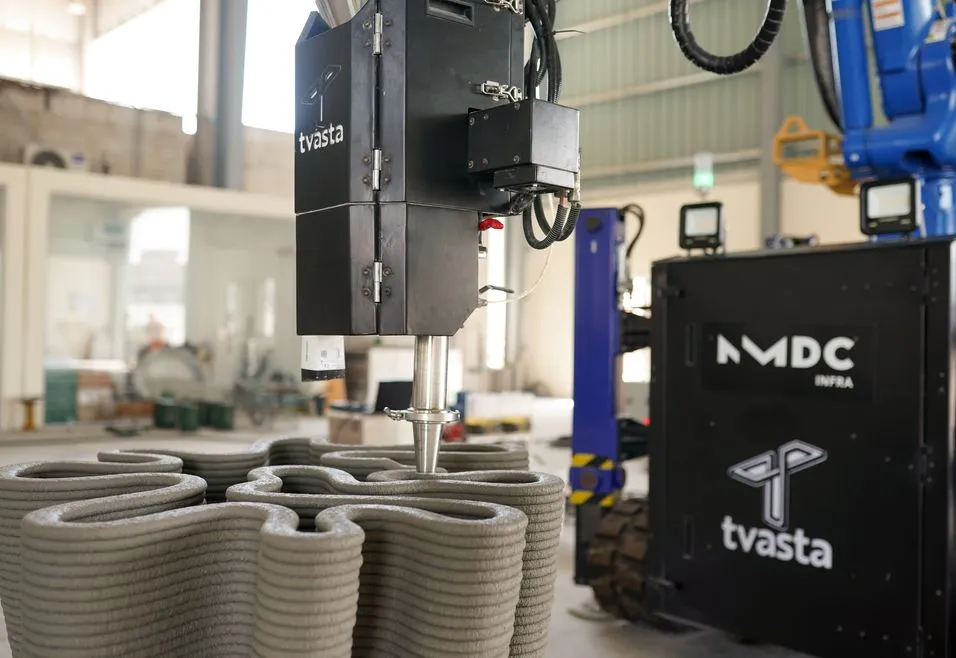
Powered by